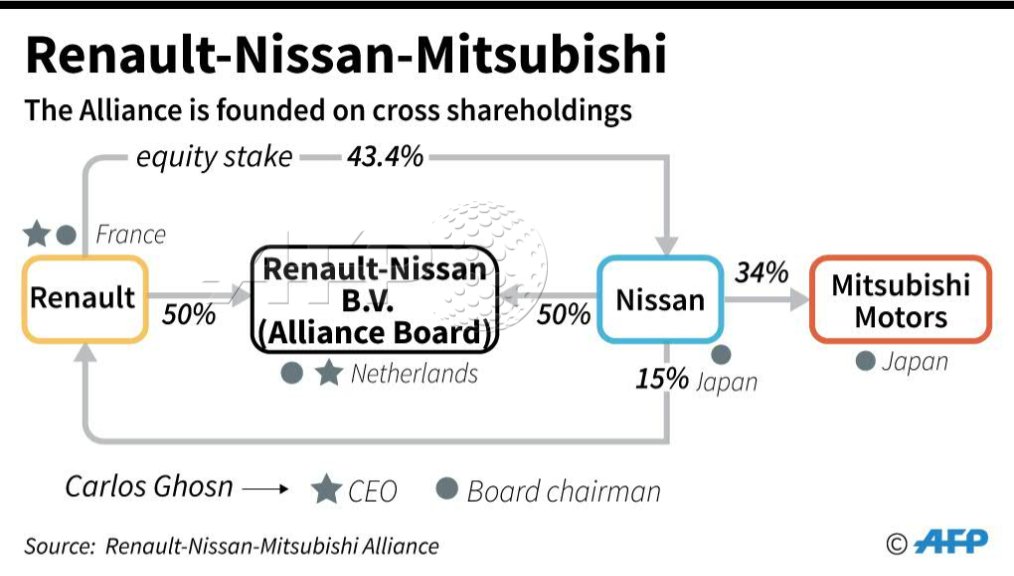
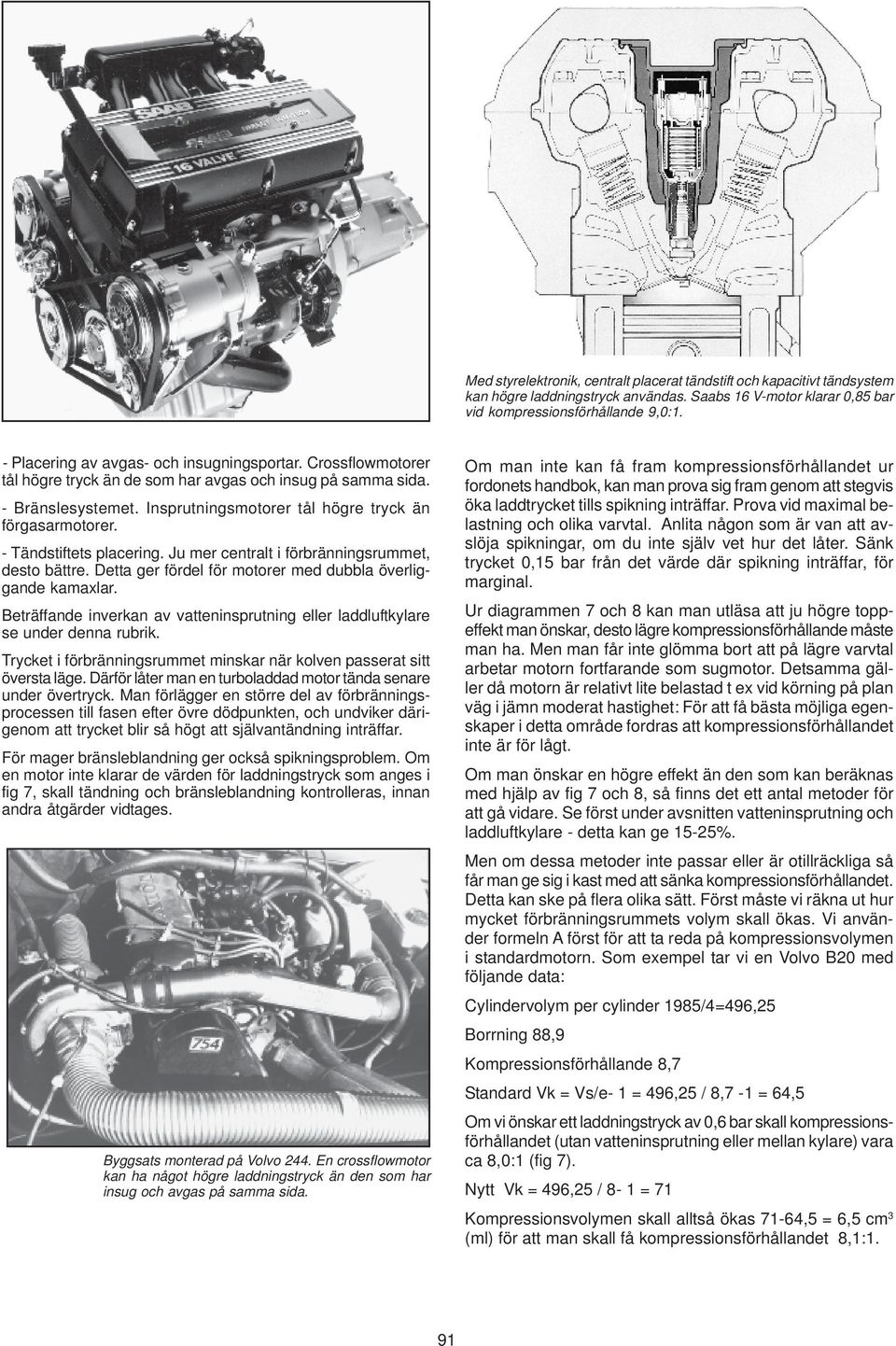
Renault 0.9 tCe
One of the smallest three-cylinder engines on the market is also one of the most fun. Renault’s 0.9 tCe is surprisingly potent for its 899cc capacity, while CO2 emissions of just 99g/km in the Clio and Captur models also make it one of the most tax-friendly.
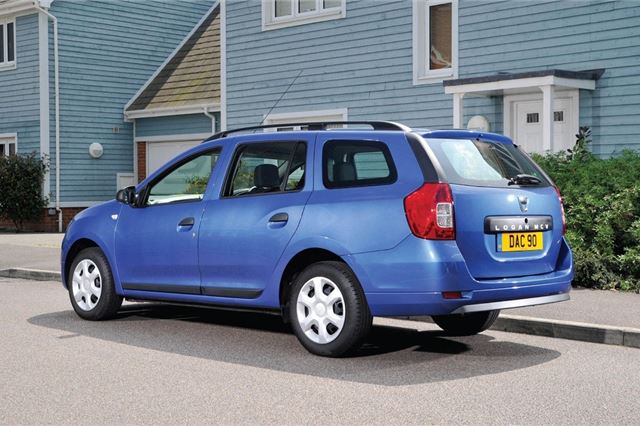
The engine is also found in the Dacia Sandero and Logan MCV ranges, meaning that modern fuel-efficient three-cylinder engines are more accessible than ever.


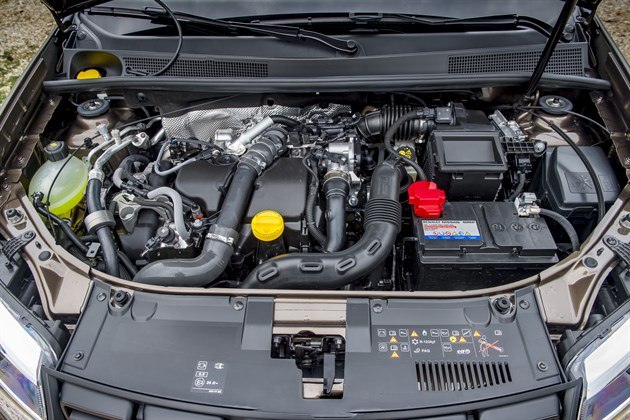

The new 1-liter 12-valve 3-cylinder SCe engine comes with innovations like the DOHC (Dual Overhead Camshaft, one operating the intake valves and the other one operating the exhaust valves), a first-of-its-kind technology among entry-level powerplants. The all-aluminum engine is 20 kg lighter than its predecessor. The 1.6-liter 16-valve 4-cylinder SCe engine comes with a dual overhead camshaft operating the intake valves, fuel injectors mounted on the cylinder head and other novelties that ensure a high level of efficiency and performance. It is also an all-aluminum engine and is 30 kg lighter than its forerunner.
With 12 world titles, Renault’s expertise as an engine manufacturer in Formula 1 is put to profit to ensure maximum performance in production powertrains. The Energy Smart Management (ESM) system and the variable displacement pump are both F1-inspired technologies that help improve fuel efficiency. Additionally, an electro hydraulic power steering equips all versions; in addition to improving fuel consumption, it boosts performance and represents an evolution in terms of comfort.
The 1.6 SCe engine also comes with the Stop&Start system that automatically shuts down and restarts the engine to reduce the amount of time the engine spends idling at traffic lights, for example. Mainstream in top-of-the-range models, it ensures up to 5% in fuel economy and is now available on the Sandero and Logan. Models equipped with the Easy’R automated manual transmission now come with the electronic stability program (ESP) and the hill start assist (HSA) to improve safety.
Compared with their predecessors, the all-new 1.0 and 1.6 engines deliver combined-cycle fuel savings of up to 19% and 21%, respectively, when equipping the Logan and Sandero. Hatchback and sedan versions paired with the new powerplants and a manual transmission scored an “A” at the Fuel Efficiency Labelling Program (PEBV), while the Duster and Duster Oroch equipped with the 1.6 SCe engine boast fuel savings of up to 18% and 16%, respectively.
ADVANCEMENTS IN FUEL-EFFICIENCY TECHNOLOGY
Renault’s engineers introduced new technologies aimed at enhancing fuel efficiency. The 1-liter SCe engine has diamond-like carbon (DLC) coated tappets, piston rings and variable valve trimming (VVT). Usually applied as coatings to other materials that could benefit from some of those properties, the DLC is a class of amorphous carbon material that displays some of the typical properties of diamond.
As to the 1.6-liter SCe engine, these elements are coated by Physical Vapor Deposition (PVD) to reduce wear and friction, in addition to boosting fuel economy. Both the PVD and DLC are F1-inspired technologies applied to production models.
With the variable displacement pump (1.0 SCe), the displacement, or amount of fluid pumped per revolution of the pump's input shaft can be varied while the pump is running. Straight from the track to the road, it makes the engine more economical by absorbing less power.
Already seen on the 2-liter engine that equips the Duster Oroch, the new 1.0 and 1.6 SCe engines now come with the all-new Energy Smart Management (ESM) system that recovers braking and deceleration energy to optimize efficiency. Through a simple yet efficient operation, when the driver releases the accelerator pedal at deceleration, the engine keeps on running without using fuel, and the alternator automatically recovers energy to direct it to the battery, whose charge increases without using fuel. During acceleration, the alternator does not ‘steal’ engine power to send it to the battery, as it was charged during deceleration. Fuel efficiency is improved by up to 2% thanks to this system.
Another noteworthy evolution is the adoption of an electrically powered hydraulic steering. For the driver, this means more driving comfort and less maneuvering effort. The variable effort steering varies the amount of power steering assist based on electrical inputs to provide the driver with improved road feel at higher speeds, for more safety. It is electrically controlled independently and, as a result, the engine does not lose power while fuel economy is improved by 3%.
The 1.6-liter engine that equips the Sandero and Logan comes with the Stop&Start system that automatically shuts down and restarts the engine to reduce the amount of time the engine spends idling at traffic lights and congestions, thereby reducing fuel consumption by up to 5%. The driver can turn the system on / off by simply pressing the button placed on the left of the steering wheel.
Driving-related vehicle data is used to provide drivers with real-time eco-driving tips via the optional in-dash Media NAV 2.0 interface. The system provides Eco-Scoring evaluations and Eco-Coaching advice at the end of journeys to help drivers adjust the way they drive in order to reduce fuel consumption.
With the new 1.0 and 1.6 SCe engines, Sandero and Logan are among the most economical cars to run in their respective segments, according to the Fuel Efficiency Labelling Program (PEBV). On gas in the city, the 1-liter hatchback is the only model in its segment to exceed 14 km/l, while the 1-liter sedan stands out for its 13.8 km/l. Equipped with the 1.6-liter engine, the hatchback achieves outstanding 12.8 km/l, while the sedan boasts 13 km/l. When equipped with the 1.6-liter engine, Duster’s fuel economy jumps from 9.5 km/l to 11.3 km/l.
1.0 SCe: MAXIMUM DRIVING PLEASURE
Renault places a bet on high-end technologies to improve powertrain performance. The 1-liter SCe engine has first-in-segment DOHC. With a variable valve timing that electronically reads engine revs, the system adjusts camshaft position within a wider range. As a result, engine characteristics are changed to ensure a better performance at different speeds and reduce fuel consumption.
The 1-liter SCe engine delivers 90% of maximum torque (10.5 kgfm) at 2,000 rpm, thanks to the DOHC, a 15% improvement compared to its predecessor. In practice, this means more agility, safety and driving pleasure. When overtaking on motorways, the 1-liter SCe engine adds safety as pick-up is 6% faster (80 to 120 km/h in 14.1 sec.). Acceleration was also improved by 8%, with a 0-100 km/h in 13 secs on ethanol.
The 1-liter SCe engine now delivers more power, with 82 hp on ethanol and 79 hp on gas, up 2 hp compared to the 4-cylinder engine running both on gas or ethanol.
“The 1-liter SCe engine is currently among the best in its class in terms of technology. With F1-inspired solutions and Renault’s expertise in powertrain design and development, it ensures driving pleasure and performance paired with fuel economy”, says Márcio Melhorança, General Manager of Powertrain Engineering at Renault.
By offering more durability than the timing belt, the presence of a maintenance-free timing chain is an additional evolution that contributes to reducing running costs.
The 1-liter SCe powerplant is made at one of the Renault’s three plants located at the Ayrton Senna Complex, in São José dos Pinhais, State of Paraná. A completely new assembly line was introduced in the CMO (Curitiba Powertrains) to make the all-new engine.
6 SCe: ADDED PERFORMANCE
The 1.6-liter SCe engine stands out for its performance and driving pleasure. Equipped with the new powertrain, the Sandero and Logan deliver a maximum power of 118 hp running on ethanol, up 11.3% from the previous 106 hp. When running on gas, there was an increase of 17.3%, from 98 hp to 115 hp.
The dual overhead camshaft operating the intake valves improves torque since the lower revs while ensuring an increased driving pleasure. For example, the Sandero now boasts an outstanding performance by accelerating from 0-100 km/h in 10.3 secs (3.7 secs less compared to its forerunner). With 9.2 secs, picking up from 60 to 100 km/h is almost 4 secs faster.
When equipped with the all-new 1.6 SCe engine, the Duster and Duster Oroch deliver 118 hp on ethanol and 120 hp on gas. Maximum torque is of 16.2 kgfm on any fuel. Improvements in terms of power and torque result from new ECU calibration and adjustments to the exhaust manifold.
With the Easy’R automated manual transmission, Sandero and Logan now offer the electronic stability control (ESP) and hill start assist (HSA), which engages automatically when a gradient of 3% or more is detected. Both technologies provide added safety and driving pleasure.
Just like the 1-liter SCe engine, the all-new 1.6 SCe engine is equipped with a maintenance-free timing chain instead of a timing belt. An elastic serpentine belt drives multiple accessories without a tensioner, which ensures lower maintenance costs.
1.0 SCe and 1.6 SCe ENGINES OFFER IMPROVED TECHNOLOGY
Developed by the Renault Technology Americas (RTA), an engineering center that employs approximately 1,000 engineers – 700 in Brazil alone – the latest gen 1.0 SCe and 1.6 SCe engines offer evolutions in terms of fuel efficiency, driving pleasure and low maintenance costs, as detailed below.
Highlights of the 1.0 SCe engine:
Dual overhead camshaft
- Driving pleasure
- Higher torque in low revs
- Lower fuel consumption
All-aluminum engine block, cylinder head, oil pan and crankcase
- Weight reduction (-20 kg)
Timing chain driven camshaft (no timing belt)
- Improved durability
DLC (Diamond-Like Carbon) coated tappets, piston rings and variable valve trimming
- Less friction
- Lower fuel consumption
Cylinder head with air cushioned plastic cover
- Weight reduction
Exhaust manifold integrated into the cylinder head
- Size reduction
- Faster exhaust gas flow
- Less emissions
Forked connecting rods
- Improved resistance
- Less vibrations
- Lower fuel consumption
Forged steel connecting rods
- Improved resistance
Variable displacement pump
- Lower fuel consumption
Highlights of the 1.6 SCe engine:
All-aluminum engine block, cylinder head, oil pan and crankcase
- Weight reduction (-30 kg)
Dual overhead camshaft operating the intake valves
- Driving pleasure
- Higher torque in low revs
- Lower fuel consumption
Timing chain driven camshaft (no timing belt)
- Improved durability
- Less maintenance
Fuel injectors mounted on the cylinder head
- Better fuel mixture
- Improved combustion efficiency
Low friction pistons and rings
- Less friction
- Lower fuel consumption
Exhaust manifold integrated into the cylinder head
- Faster and efficient exhaust gas flow
- Less emissions
Forged steel connecting rods
- Improved resistance
Forged steel camshaft
- Improved resistance
Elastic accessory drive belt
- Fewer engine components (no tensioner)
- Less servicing
VERSIONS
Equipped with the all-new 1.0 SCe and 1.6 SCe engines, the Sandero, Logan, Duster and Duster Oroch ranges were reconfigured as follows:
Sandero:
Authentique 1.0 12V
Expression 1.0 12V
Expression 1.6 16V
Expression 1.6 16V Easy’R
Dynamique 1.6 16V
Dynamique 1.6 16V Easy’R
Stepway 1.6 16V
Stepway 1.6 16V Easy’R
GT Line 1.6 16V
R.S. 2.0
Logan:
Authentique 1.0 12V
Expression 1.0 12V
Expression 1.6 16V
Expression 1.6 16V Easy’R
Dynamique 1.6 16V
Dynamique 1.6 16V Easy’R
Duster:
Expression 1.6 16V
Dynamique 2.0 16V
Dynamique 2.0 16V AT
Dynamique 2.0 16V 4x4
Duster Oroch:
Expression 1.6 16V
Dynamique 1.6 16V Flex
Dynamique 2.0 16V
Dynamique 2.0 16V AT
MY RENAULT: A NEW CONCEPT IN CUSTOMER RELATIONSHIP
Renault customers may rely on My Renault, an innovative digital platform that offers different information on the car, in addition to exclusive offers of products and services sent to registered customers beforehand.
My Renault is a personal, exclusive page of every Renault vehicle owner, where all information about the car is grouped, from the driver’s handbook to advice on fuel consumption and tips for travel planning and cultural events.
My Renault also offers discounts to buy accessories or change engine oil, in addition to upgrades when it is time to trade-in your car (available for body paint and version upgrades).